
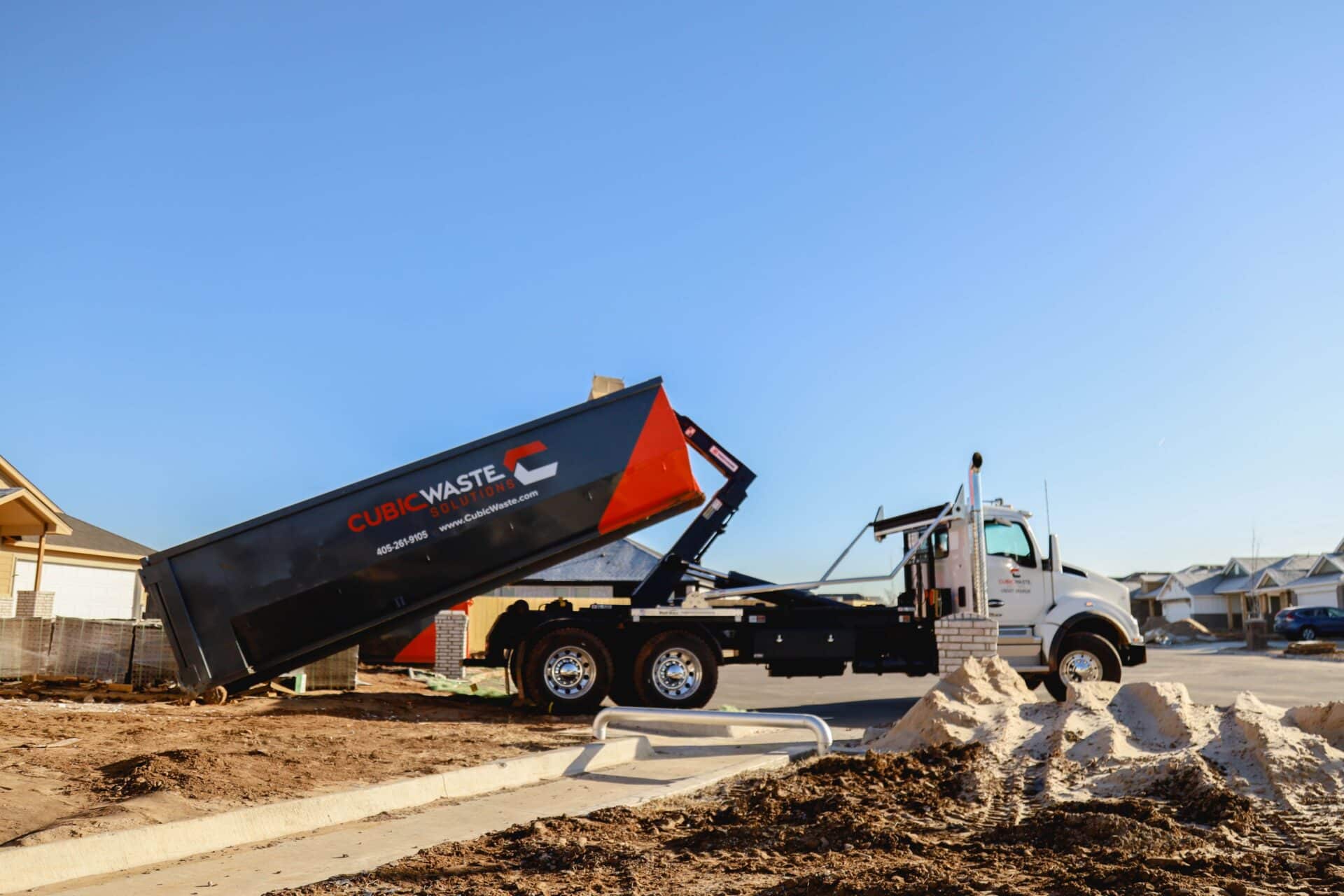
Construction projects generate more waste than most people anticipate. From drywall scraps and lumber offcuts to packaging materials and demolished fixtures, debris can quickly overwhelm your work site and slow down progress. Smart construction debris management isn’t just about keeping things tidy; it’s about maintaining safety, staying on schedule, and controlling costs.
Tip 1: Size Your Dumpster Correctly from the Start
One of the biggest mistakes contractors make is underestimating their waste volume. A construction debris container rental in Oklahoma City should be sized based on your specific project scope, not just what looks reasonable. Consider the type of materials you’ll be disposing of—concrete and drywall are much denser than wood framing or insulation. When in doubt, opt for a slightly larger container to avoid costly overages or the need for additional rentals mid-project.
Tip 2: Establish Clear Loading Protocols
Efficient debris management starts with how materials go into the container. Train your crew to load heavy materials first and distribute weight evenly. This prevents the container from becoming unbalanced and makes pickup safer for everyone involved. Designate specific team members to oversee loading to prevent dangerous overfilling and ensure prohibited materials don’t accidentally end up in your construction debris dumpster rental in Oklahoma City.
Tip 3: Separate Materials When It Makes Financial Sense
While mixed construction debris disposal is convenient, separating certain materials can save significant money on larger projects. Clean wood, metal, and concrete often have lower disposal costs when separated. However, weigh the labor costs of separation against potential savings. For smaller projects, a single dumpster rental for construction debris in Oklahoma City might be more cost-effective despite higher per-ton rates.
Tip 4: Schedule Strategically to Maintain Workflow
Time your dumpster delivery to match when you’ll actually need it. Schedule the container to arrive at the start of your demolition or heavy debris phase, not weeks earlier when it will sit empty. For projects lasting several weeks or months, renting a smaller dumpster and scheduling a swap when it fills is often more cost-effective than keeping an oversized container on-site throughout the entire project. This approach reduces rental fees while ensuring you have the capacity you need during active work phases.
Tip 5: Know Your Local Regulations and Restrictions
Different municipalities have varying rules about construction waste disposal and dumpster placement. Some materials require special handling or can’t be mixed with general construction debris. Understanding these regulations upfront prevents costly delays and ensures your project stays compliant throughout the construction process.
Streamline Your Next Construction Project
Effective construction debris management transforms chaotic job sites into efficient, professional operations. The proper planning, equipment, and waste management partner make all the difference in keeping your project on time and under budget.
At Cubic Waste Solutions, we provide reliable construction debris disposal services that help contractors focus on what they do best—building. Contact us today to discuss how our dumpster rental solutions can help streamline your next project.